
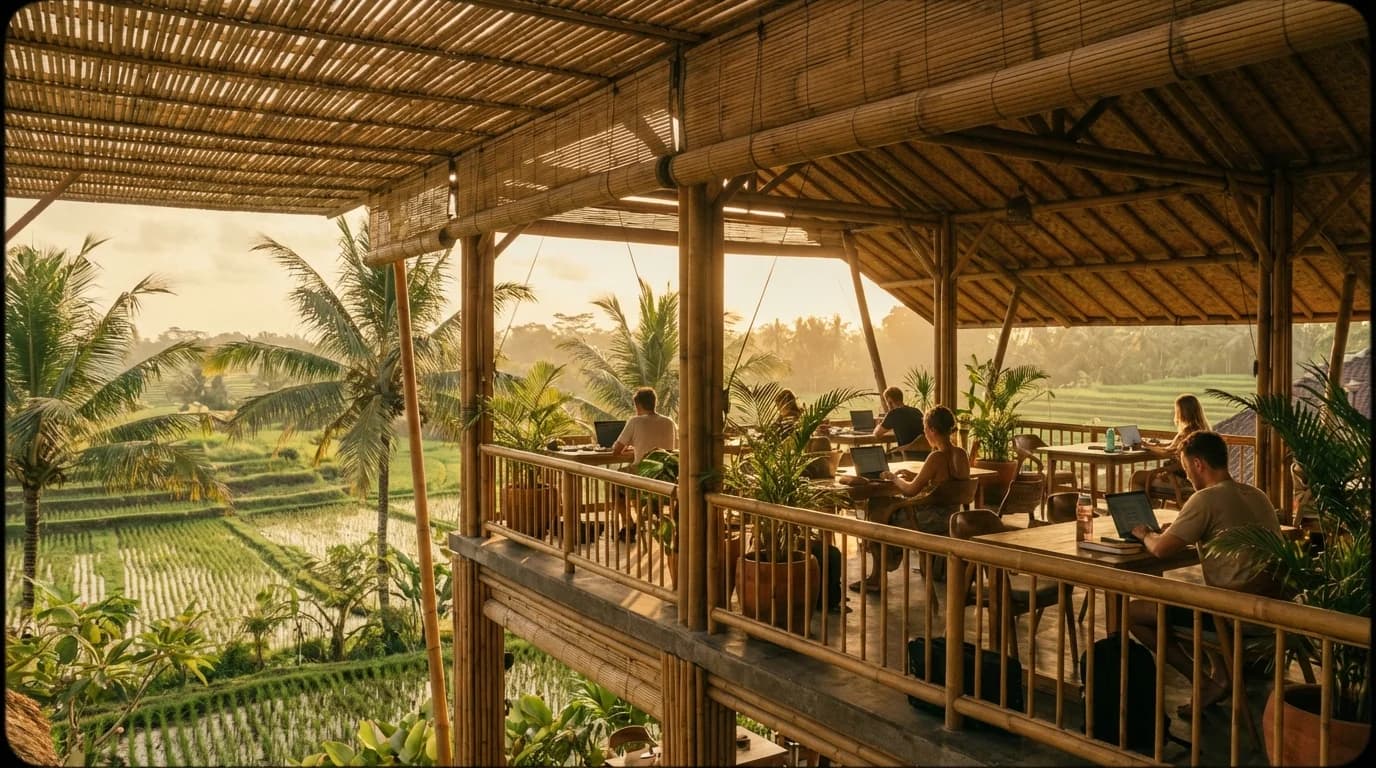
Bali is no longer a vacation destination for tech founders. It is where they live and build. The island now hosts hundreds of startups, and that number grows every year.
So what changed? And why are founders picking Bali over cities like Lisbon, Bangkok, or even San Francisco?
The Cost of Building Is Lower
A founder in San Francisco spends $8,000 to $12,000 per month on rent, food, and workspace. In Bali, that number drops to $2,000 to $3,000 for a better quality of life.
That gap is not about luxury. It is about runway. More months of funding means more time to find product-market fit. More time means better odds of success.
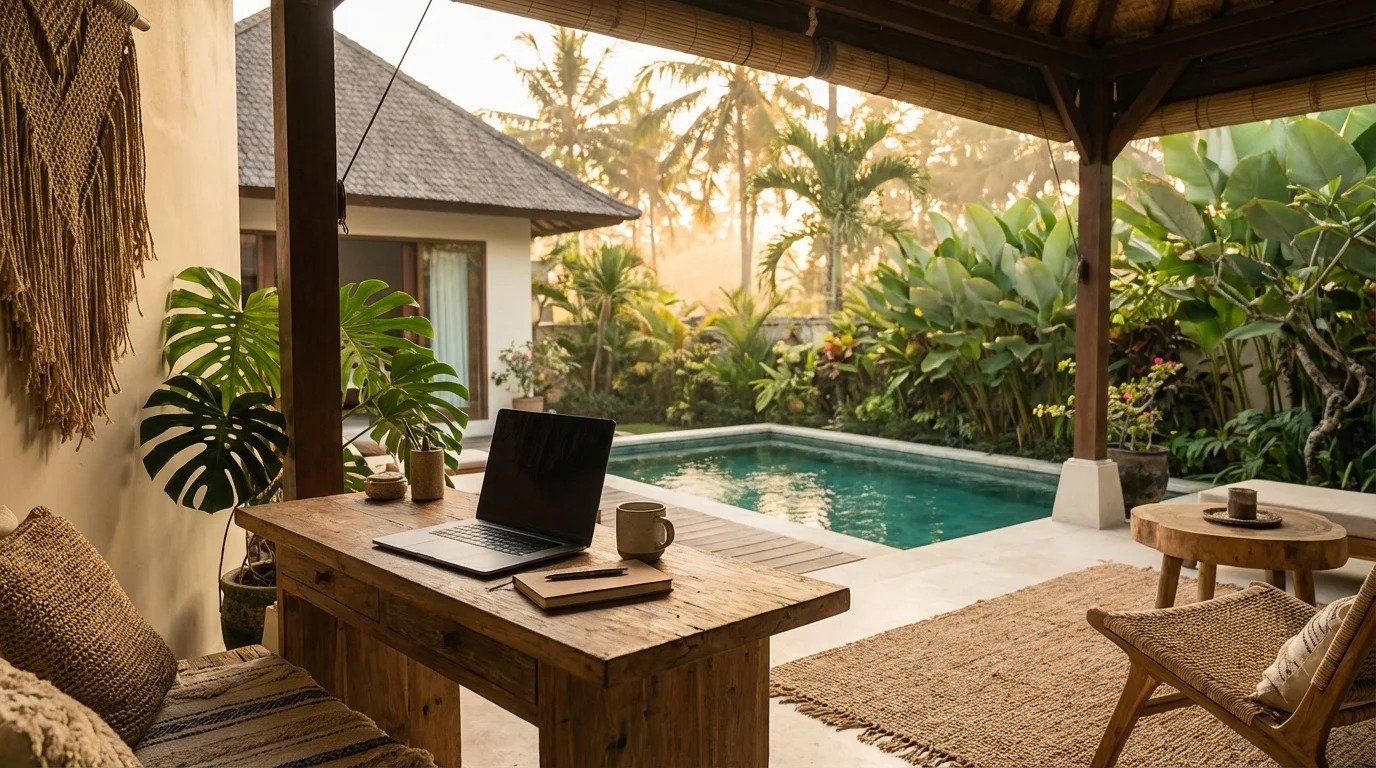
A one-bedroom villa with a pool in Canggu costs around $800 per month. A coworking desk runs $150 to $200. A full meal at a local warung is $2 to $3. The math speaks for itself.
The Community Is Small Enough to Matter
Big cities have large tech scenes. But size can work against you. In San Francisco, you compete for attention at every meetup. In Bali, the founder community is concentrated in a few neighborhoods. You run into the same people at cafes, coworking spaces, and events.
This density creates real relationships. Not LinkedIn connections. Actual friendships with people who understand what you are building.
At Silicon Bali events, groups are kept small on purpose. Founder dinners cap at 10 to 12 people. That is enough to have a genuine conversation with everyone at the table.
The Lifestyle Keeps You Sharp
Burnout kills more startups than competition does. Bali makes it easier to stay healthy and focused.
You can surf before your first meeting. You can take a walk through rice paddies during lunch. Fresh, whole food is cheap and available everywhere. The climate keeps you outdoors and active without trying.
This is not a distraction. It is an advantage. Founders who feel good make better decisions. They hire better. They last longer.

Infrastructure Has Caught Up
Five years ago, Bali had spotty WiFi and unreliable power. That is no longer the case.
Most coworking spaces in Canggu and Ubud offer 100+ Mbps fiber. Backup generators are standard. Cafes with fast WiFi are on every block. Starlink is available as a backup for remote locations.
The infrastructure gap that once held Bali back is gone.
The Timezone Works for Global Teams
Bali sits in the GMT+8 timezone. That gives you morning overlap with Australia and evening overlap with Europe. If your team or customers are spread across the globe, Bali puts you in a workable middle zone.
Many founders here run teams across three or four countries. The timezone makes async work manageable.
It Is Easier to Get In
Indonesia's B211A visa gives remote workers up to 6 months of legal stay. The application process is straightforward, and renewals are common. A new Digital Nomad Visa is also in the works, designed to make long-term stays even simpler.
Compare that to the bureaucracy of US or EU work visas, and Bali starts to look even more attractive.
Is It Right for You?
Bali is not for everyone. If you need access to US investors in person, or if your market requires physical presence in a specific city, it may not fit.
But if you want lower costs, a strong founder community, and a lifestyle that keeps you energized, Bali deserves a serious look.
The best way to start is to connect with founders who are already here. Join Silicon Bali and get access to weekly events, coworking recommendations, and a community that helps you land on your feet.